

AI voice agents can make outbound calls, hold natural conversations, answer questions, qualify leads, book meetings, update your CRM, and even send WhatsApp follow-ups automatically. They work around the clock without scripts, burnout, or missed follow-ups.
Why does this matter? Studies show that contacting a lead within five minutes makes them up to 21 times more likely to enter the sales process compared to waiting 30 minutes or longer. AI helps businesses respond instantly, even outside business hours.
Behind every conversation, several AI technologies work together in real time. Speech recognition converts the prospect’s voice into text, large language models understand the conversation and decide what to say next, voice synthesis generates natural-sounding speech, and workflow automation updates your CRM or triggers the next action after the call.
Understanding how AI cold calling actually works helps you look beyond marketing claims. It becomes much easier to tell the difference between true AI voice agents that can run an entire sales conversation and older automated dialers that simply place calls or follow rigid scripts.
In this guide, you’ll learn how AI cold calling works step by step, the technology powering modern AI voice agents, and what to evaluate before choosing an AI calling platform in 2026.
What Is AI Cold Calling?
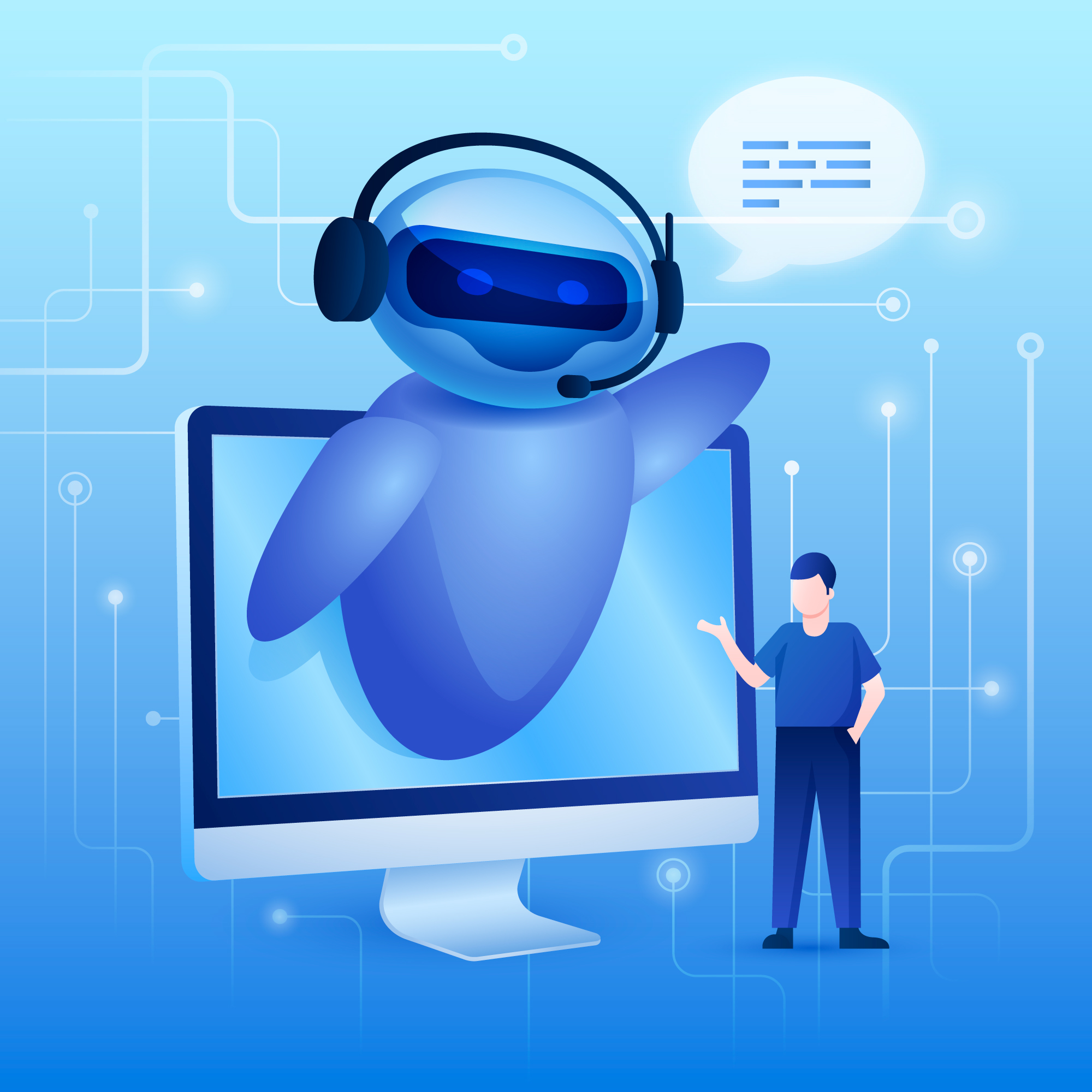
Cold calling has always been a numbers game.
The more relevant prospects you reach, the more opportunities you create. But making the call is only one part of the sales process. Reps also need to introduce the business, answer questions, qualify leads, handle queries, update the CRM, schedule follow-ups, and decide what happens next.
As your business grows, these repetitive tasks become difficult and expensive to scale. Sales reps spend only about 28% of their week actively selling, while the rest goes into administrative work like CRM updates, scheduling, prospecting and internal meetings.
AI cold calling solves this by automating the entire outreach workflow, not just the phone call.
An AI voice agent can initiate outbound calls, hold natural conversations, answer common questions, qualify leads, book meetings, update your CRM, and even send follow-up messages on channels like WhatsApp, all without human intervention.
Unlike traditional auto-dialers or scripted IVR systems, modern AI doesn’t simply play pre-recorded messages. It listens to what the prospect says, understands the context of the conversation, and generates responses in real time. If a prospect asks a question, raises a query, or interrupts the conversation, the AI adapts naturally instead of repeating the same script.
This allows businesses to engage thousands of prospects simultaneously while giving sales teams more time to focus on closing deals.
Similar Read: AI Cold Calling: How Indian Businesses Are Automating Sales Outreach in 2026
The Technology Behind AI Cold Calling
Behind the scenes, several AI systems are working together in milliseconds to listen, understand, reason, respond, and learn. Understanding these technologies helps explain why modern AI sales agents sound conversational instead of robotic.
1. Voice AI
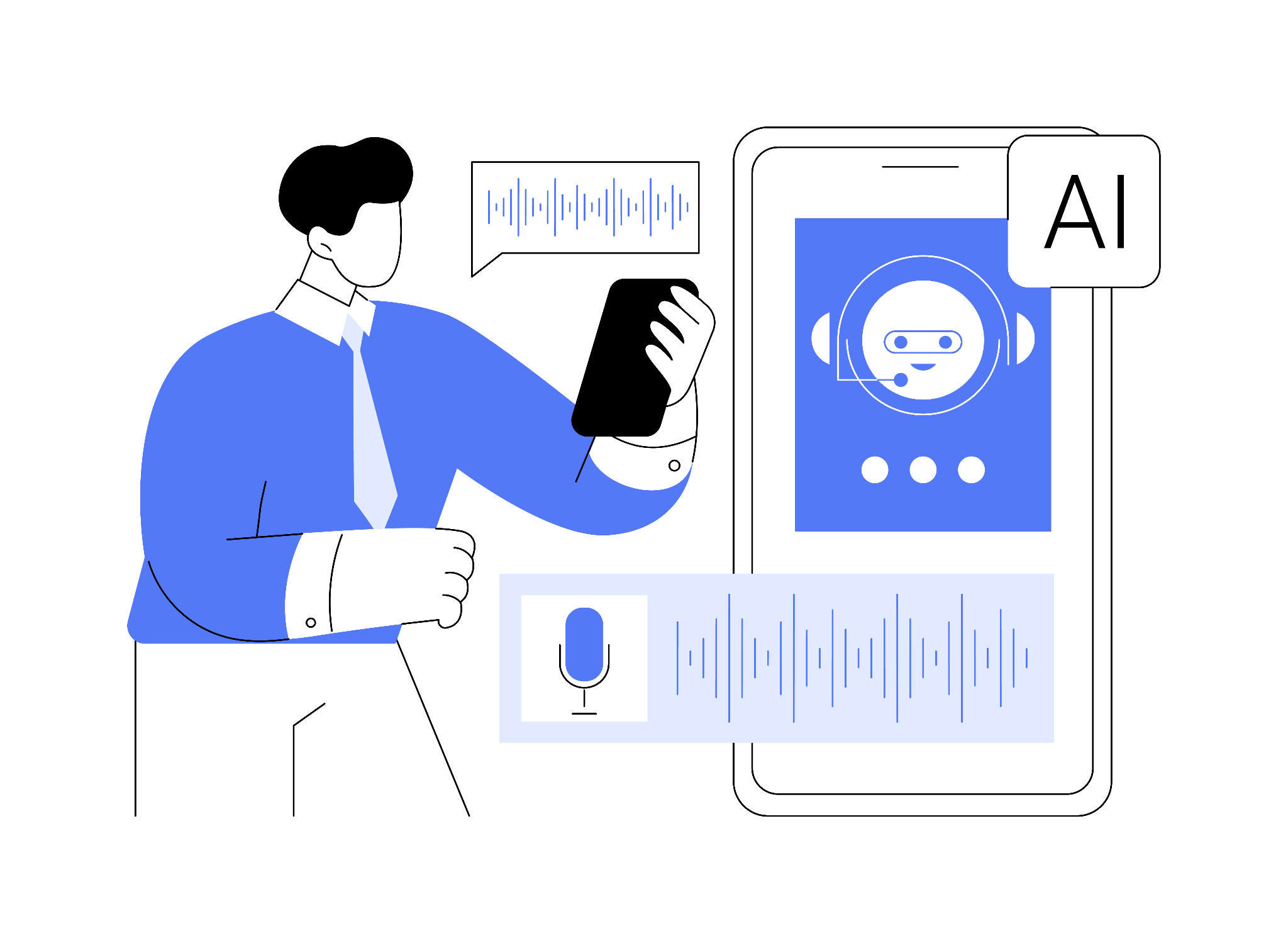
The first thing your prospect notices is the voice.
Early automated calling systems relied on robotic text-to-speech engines that sounded mechanical and paused unnaturally between sentences. Prospects could usually recognise an automated call within a few seconds.
Modern Voice AI works very differently.
Instead of stitching together recorded words or reading text in a monotone voice, advanced speech synthesis models generate natural speech in real time. They adjust pronunciation, pacing, emphasis and intonation throughout the conversation.
This makes conversations feel significantly more human.
For example, if a prospect says:
“Sorry, I’m driving right now.”
The AI doesn’t continue speaking at the same pace.
It can respond naturally “No problem. Would another time today be more convenient?”
The change in tone matters just as much as the words themselves. Natural pauses, conversational rhythm and expressive speech help prospects stay engaged throughout the interaction.
2. Speech Recognition
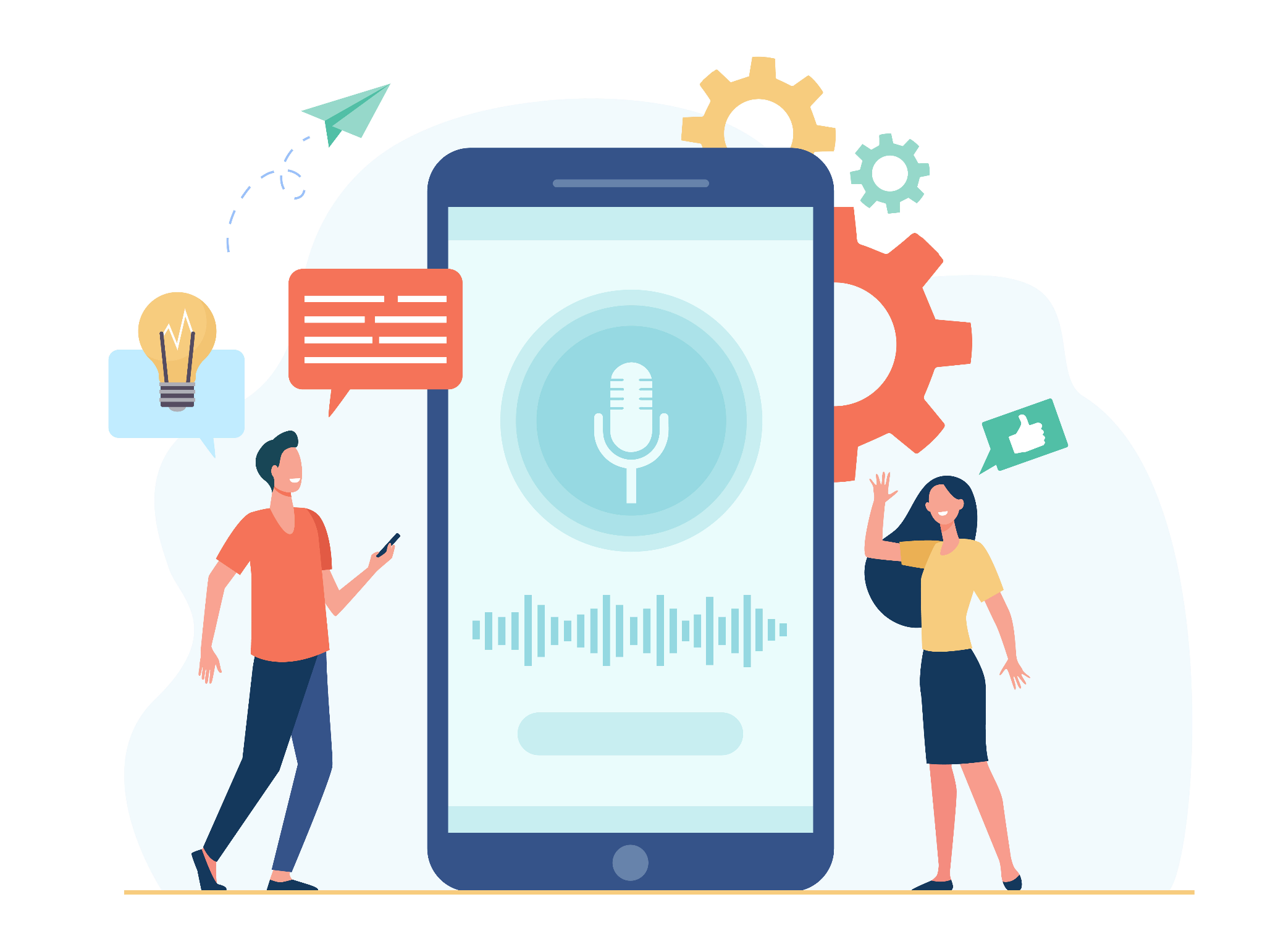
Speech recognition, often called Automatic Speech Recognition (ASR), converts spoken language into text almost instantly. Modern ASR models can understand different accents, speaking speeds and conversational patterns.
For businesses operating across India, this becomes especially important.
Prospects frequently switch between English, Hindi and regional languages within the same conversation. They may interrupt between the conversation or speak informally.
Modern speech recognition models are designed to handle these real-world conversations rather than expecting perfectly structured sentences.
The faster and more accurate the transcription, the more naturally the AI can respond.
3. Natural Language Processing (NLP)
People rarely say exactly what they mean.
Someone might say “We’re not looking right now.”
Another prospect might say “Call me after Diwali.”
A third might respond “We’ve just renewed our contract.”
Although these responses are different, they all communicate one thing: “Now isn’t the right time to sell.”
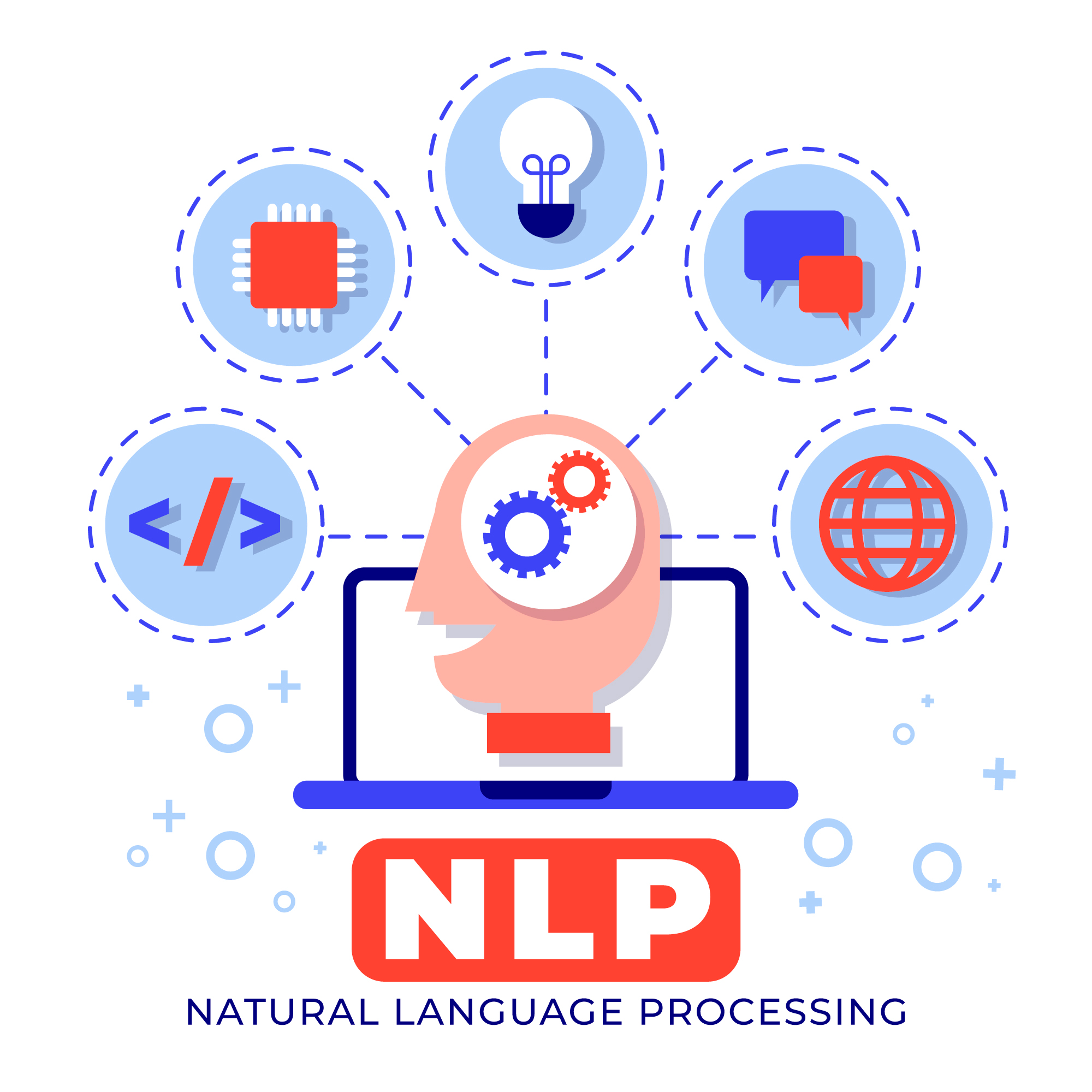
Natural Language Processing, or NLP, helps AI understand the meaning behind what people say rather than focusing only on individual words.
It identifies customer intent, queries, sentiment, context within the conversation
This allows the AI to decide whether it should continue qualifying the lead, answer a question, schedule a callback or end the conversation politely.
Without NLP, every conversation would feel scripted because the AI would only recognise specific keywords instead of understanding the discussion as a whole.
4. Large Language Models (LLMs)

If NLP helps AI understand the conversation, Large Language Models decide how it should respond.
LLMs are trained on vast amounts of language, allowing them to generate responses that are contextually relevant instead of selecting lines from a predefined script.
This is one of the biggest advances in AI cold calling.
Imagine a prospect asks “How long does implementation usually take?”
The exact wording of that question can vary.
Someone else might ask:
- “How quickly can we get started?”
- “What’s the onboarding timeline?”
- “How much time does setup take?”
Rather than storing separate scripted responses for every possible variation, an LLM understands that all of these questions are asking about implementation timelines.
It then generates a response using the information available in your knowledge base.
This makes conversations more flexible and significantly reduces the limitations of traditional decision-tree scripts.
They generate responses using the instructions, workflows and business knowledge you’ve provided. This helps ensure conversations remain accurate and aligned with your products and services.
5. Machine Learning

Every outbound campaign produces valuable data.
- Which industries convert most often?
- Which questions appear repeatedly?
- Which qualification questions identify high-value leads?
- Which responses result in booked meetings?
Machine learning analyses these patterns across thousands of conversations.
Over time, it helps improve:
- Lead scoring accuracy
- Qualification logic
- Conversation success rates
- Campaign performance
- Follow-up timing
- Sales forecasting
For example, imagine your AI notices that SaaS companies asking about implementation timelines are three times more likely to book a demo than companies asking only about pricing.
Future campaigns can prioritise these buying signals when scoring leads.
This continuous learning allows AI cold calling campaigns to improve over time instead of remaining static.
| 📢 Pro Tip: Businesses often evaluate AI calling platforms based on voice quality alone. Voice quality matters, but conversation intelligence, CRM integration and post-call automation usually have a much bigger impact on revenue. |
Step-by-Step: How AI Cold Calling Works
Understanding the technology is only part of the picture. The next question is practical: How do you actually deploy an AI sales agent?
An AI voice agent isn’t something you simply switch on and ask to start calling prospects. Like a new sales representative, it first needs to learn about your business, understand your ideal customers, and know what success looks like for each conversation.
Once those foundations are in place, the AI can begin making calls, qualifying leads, updating your CRM, and triggering follow-ups automatically.
Here’s what the process typically looks like from setup to every outbound call.
Step 1. Get a dedicated business number
Every AI cold calling campaign starts with a dedicated business phone number.
With platforms like JoyzAI, this number is provided during setup, so you don’t need to purchase or configure one separately. Using a dedicated business number keeps AI conversations separate from manual sales calls, making it easier to track campaign performance, manage customer interactions, and maintain consistent business identity across every call.
Step 2. Create your AI Sales Agent
Next, create an AI sales agent based on the goal of your campaign.
For example, you might build an AI agent to:
- Follow up with leads
- Qualify leads
- Re-engage inactive customers
- Schedule product demonstrations
- Conduct post-sales feedback calls
Each AI agent is designed around a single task, allowing conversations to stay focused instead of trying to accomplish multiple tasks in one call.
Step 3. Build your knowledge base
Before the AI starts calling prospects, it needs to understand your business.
You can upload information such as:
- Website pages
- Product documentation
- FAQs
- Pricing information
- Sales brochures
- PDFs
- Internal knowledge
Whenever a prospect asks a question during a live call, the AI retrieves relevant information from this knowledge base instead of relying on a fixed script.
Step 4. Upload your prospect list
Once your AI understands your business, it’s time to decide who it should contact.
You can either use existing contacts already stored in the platform or upload your own prospect database using a spreadsheet.
After import, contacts can be organised into batches or campaigns.
For example, instead of calling 20,000 prospects at once, you might first launch a campaign targeting your highest-value leads.
Segmenting contacts makes it easier to:
- Prioritise high-value prospects
- Run campaigns for different industries or customer segments
- Compare campaign performance
- Schedule outreach in phases
Step 5. Configure your AI Agent
Now it’s time to define how the AI should behave during conversations.
JoyzAI offers you the option to choose from different voice models, choose one that is compatible with your business.
Furthermore, you can configure settings such as:
- Voice selection
- Gender
- Tone
- Speaking style
- Language
- Response length
These settings help the AI sound consistent with your brand.
Step 6. Configure the workflow
The final setup step is deciding what should happen after the call. Workflows automate the actions that follow different call outcomes.
For example, you can configure the AI to:
- Ask qualification questions in a specific sequence
- Book meetings automatically
- Transfer calls to a human representative
- Update CRM records
- Send WhatsApp follow-ups
- Trigger internal workflows
- Schedule callbacks
Once the workflow is configured, your AI sales agent is ready to start making outbound calls.
Step 7. Launch your campaign and optimise performance
Once everything is configured, your AI sales agent is ready to start making calls. However, that is not the end.
You need to track every campaign to improve future performance. For example, you can monitor metrics such as calls answered, number of qualified leads, meetings booked, conversion rate, etc.
Campaign optimisation matters because most deals aren’t won on the first conversation. Research shows that 80% of successful sales require at least five follow-up interactions, yet nearly half of sales reps stop after the first follow-up.
If prospects frequently end the conversation after the introduction, you may need a stronger opening. If the AI struggles to answer certain questions, you can improve your knowledge base.
Instead of relying on assumptions, every campaign becomes an opportunity to improve the next one.
Similar Read: A Step-by-Step Guide on How To Make AI Calling Agent
Why Businesses Are Choosing JoyzAI for AI Cold Calling
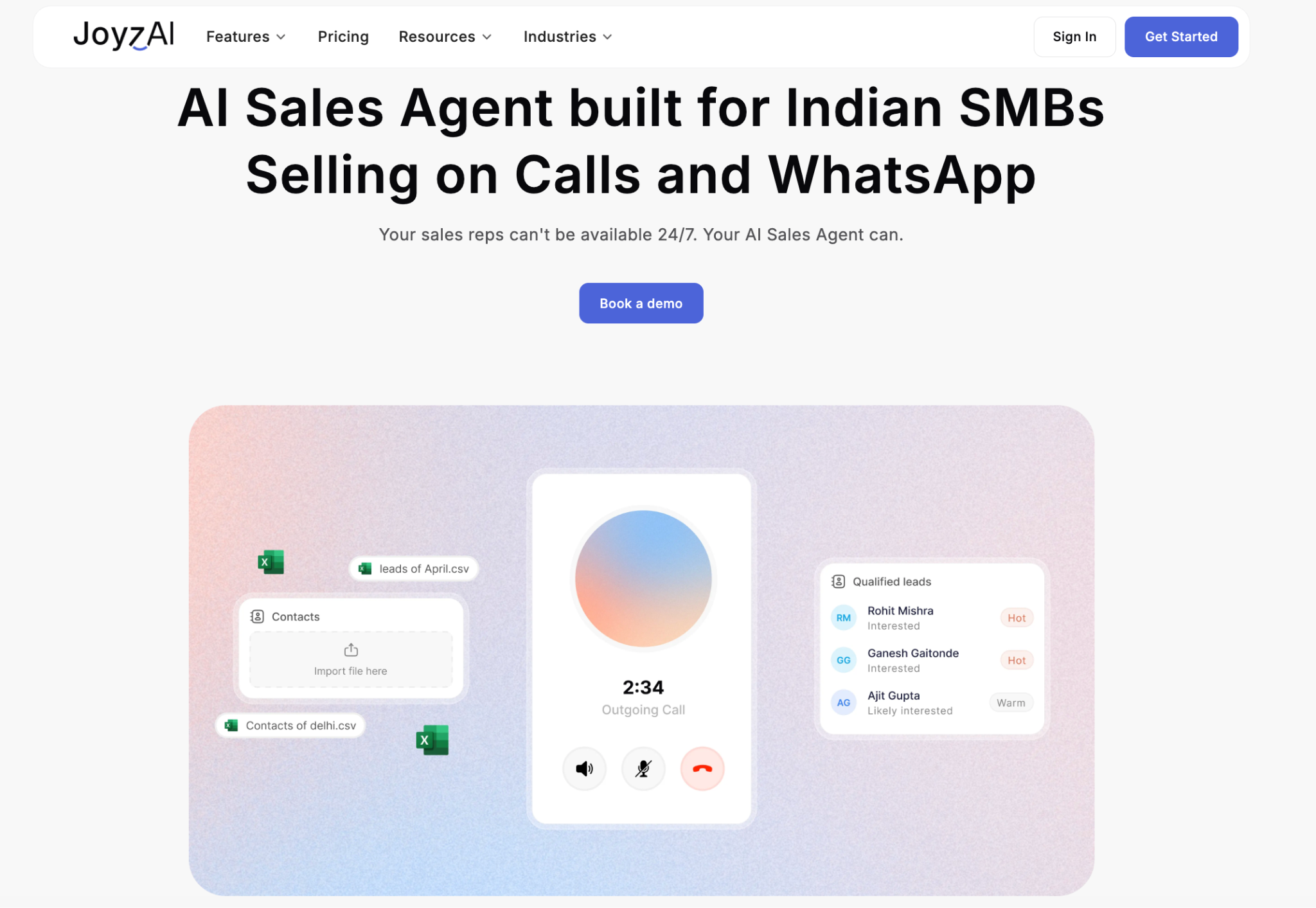
Most AI cold calling platforms stop at the phone call.
They’ll make the call, answer questions, and qualify leads. But once the conversation ends, someone still has to update the CRM, send follow-ups, assign customer requests, and figure out what should happen next.
That’s where a lot of the manual work actually begins.
JoyzAI is built differently. Instead of treating AI calling as a standalone feature, it connects calling with your CRM, WhatsApp, workflows, contacts, tickets, and analytics, so the work that happens after the call gets automated too.
1. AI cold calling
Every outbound campaign starts with natural conversations.
JoyzAI’s AI sales agents can introduce your business, qualify sales leads, answer product questions, handle queries and schedule the next step, whether that’s booking a meeting or arranging a callback.
The conversations are powered by your knowledge base and workflows, allowing the AI to stay aligned with your business rather than relying on generic scripts.
2. Automatic lead qualification
Sales teams waste a surprising amount of time speaking to people who were never going to buy.
JoyzAI qualifies every prospect during the conversation using the criteria you’ve defined. It can identify buying intent, decision-makers, budget, timelines, or any other qualification rules that matter to your business, so your team spends less time filtering leads and more time closing them.
3. Multilingual conversations
Businesses across India serve customers who speak different languages and often switch between English, Hindi and regional languages during the same conversation.
JoyzAI supports multilingual AI conversations, allowing businesses to engage customers in the language they’re most comfortable using.
This creates a more natural experience and helps improve engagement across diverse customer segments.
4. Contacts
Instead of expecting sales teams to manually enter that information into a CRM, JoyzAI automatically creates or updates contact records, captures lead details and records conversation outcomes.
This keeps customer data accurate while reducing the administrative work that often follows every sales call.
5. Unified inbox
Prospects might ask queries on websites, some might text on WhatsApp, and some prefer calls.
Keeping these interactions across separate tools makes it difficult for sales and support teams to understand the complete customer journey.
JoyzAI brings every conversation into a unified inbox, giving teams a single place to view customer interactions regardless of where they started.
6. Ticket creation
Sometimes customers need help. They might ask:
- “Where is my order?”
- “I’d like to cancel my subscription.”
- “My payment hasn’t been processed.”
- “Can someone help me with installation?”
Rather than simply recording these requests in call notes, JoyzAI understands the customer’s intent and automatically creates the appropriate ticket.
For example, if a customer asks about their delivery, JoyzAI can create an Order Status ticket and assign it to the operations team.
This ensures customer requests are acted upon immediately without someone manually reviewing call recordings or creating follow-up tasks.
7. WhatsApp automation
A phone call often starts the conversation. WhatsApp usually keeps it moving.
JoyzAI can automatically send brochures, pricing documents, meeting confirmations and follow-up messages on WhatsApp based on the outcome of the call.
This reduces manual follow-ups and helps businesses respond while customer interest is still high.
8. Campaign analytics
Launching an AI cold calling campaign is only the beginning.
The real value comes from understanding what’s working and continuously improving it.
JoyzAI provides campaign analytics that help businesses track answered calls, qualification rates, meeting bookings and overall campaign performance.
These insights make it easier to refine conversation flows, improve the knowledge base and identify which campaigns are generating the highest-quality leads.
Conclusion
Modern AI sales agents can understand customer intent, hold natural conversations, qualify leads, answer product questions and trigger the next steps in your sales process without constant human intervention.
If you’re evaluating AI cold calling software, don’t focus solely on voice quality or the number of calls an AI can make.
Consider how well it fits into your existing sales process.
Can it update your CRM automatically
OR
Send follow-up messages on WhatsApp
OR
Can it create contacts, generate support tickets and hand qualified prospects to your sales team without additional manual work?
Those capabilities have a far greater impact on productivity than the conversation alone.
That’s where JoyzAI stands out from the available AI cold calling platforms in the market. Rather than functioning as an AI dialler, it acts as an AI sales agent that combines voice conversations with CRM updates, WhatsApp automation, workflow automation, contact management and ticket creation, helping businesses automate the complete outbound sales process from the first call to the final follow-up.
If you’re exploring AI cold calling for your business, the best way to evaluate it is by seeing it in action. Book a demo with JoyzAI now!
FAQ: How AI Cold Calling Works?
1. What is AI cold calling software?
AI cold calling software helps Indian SMBs automate outbound sales cold calling without expanding their sales team. An AI cold caller can make phone calls, qualify leads, answer common questions, book meetings, and automatically update CRM records. Instead of handling repetitive manual tasks, your sales representatives can focus on building relationships and closing deals.
2. Can AI cold calling help small sales teams?
Yes. For Indian SMBs with lean sales teams, AI for cold calling handles routine tasks like outbound calling, lead qualification, call transcription, and follow-ups. AI voice agents work around the clock, ensuring no lead is missed while helping sales reps spend more time speaking with high-intent prospects and less time on administrative work.
3. Is AI cold calling legal in India?
Yes, AI cold calling is legal when businesses follow applicable telemarketing regulations and obtain consent where required. Just like human callers, AI systems should protect customer data, respect Do Not Disturb (DND) regulations, and follow ethical AI practices. Businesses should also stay compliant with any industry-specific rules governing outbound phone calls.
4. How does AI personalize cold calling conversations?
Modern AI cold calling tools use speech recognition, natural language processing, machine learning, and conversation data to understand prospects in real time. Instead of relying on static cold call scripts, they generate personalized responses, handle common objections, qualify leads, and adapt conversations naturally, creating a better experience during outbound sales calls.
5. What should Indian SMBs look for in AI cold calling tools?
The best AI cold calling software should do more than make calls. Look for features like multilingual AI voice agents, WhatsApp follow-ups, CRM integration, AI-generated call summaries, workflow automation, analytics, and automatic lead qualification. These capabilities help Indian SMBs improve conversion rates and scale their outbound sales process without hiring a larger team.